


How to Use NFC Tags for Business and Marketing

In today’s fast-moving digital world, businesses are constantly looking for smarter and faster ways to connect with customers. Traditional methods like paper business cards, printed flyers, and manual data entry are slowly becoming outdated. They are not only inefficient but also difficult to track and update.
This is where NFC (Near Field Communication) technology is changing the game.
NFC tags allow businesses to create instant, contactless interactions with customers using just a simple tap. Whether it’s sharing contact details, collecting leads, or promoting products, NFC is becoming one of the most powerful tools for modern marketing.
In this guide, we’ll break down exactly how NFC tags work, how businesses can use them effectively, and why they are becoming essential for marketing in 2026 and beyond.
What Are NFC Tags?
NFC tags are small chips embedded in cards, stickers, or objects that can store information. When a smartphone comes close to the tag, it automatically triggers an action—like opening a website, saving a contact, or launching an app.
Unlike QR codes, NFC does not require scanning. It works with a simple tap, making the experience faster and more seamless.
Today, most modern smartphones—both Android and iPhone—support NFC, making it widely accessible for businesses and customers.
Why NFC Tags Are Important for Business
NFC tags are not just a cool technology—they solve real business problems.
1. Faster Customer Interaction
Instead of asking customers to type URLs or search for your business, NFC allows instant access. One tap, and they are on your page.
2. Better User Experience
No apps, no typing, no friction. The easier you make it, the more likely customers will engage.
3. Real-Time Updates
You can update the information linked to an NFC tag anytime. No need to reprint materials.
4. Cost-Effective Marketing
NFC tags are reusable and eliminate printing costs in the long run.
5. Data and Insights
Many NFC solutions allow tracking interactions, giving you insights into customer behavior.
How NFC Tags Work (Simple Explanation)
Here’s how the process works:
You program an NFC tag with a link or action
A user taps their smartphone on the tag
The phone reads the tag instantly
The action is triggered (website opens, contact saved, etc.)
That’s it—no scanning, no delays.
Top Ways to Use NFC Tags for Business
NFC tags can be used in many creative ways across different industries. Let’s explore the most effective ones.
1. Digital Business Cards
One of the most popular uses of NFC is replacing traditional business cards.
Instead of handing out paper cards, you can use NFC-enabled cards to share:
Contact details
Website links
Social media profiles
Portfolio or services
Platforms like Tapitag make it easy to create smart digital profiles that open instantly when tapped.
Why It Works
No more lost cards
Always up to date
More professional impression
2. Lead Generation and Contact Collection
NFC tags can be used to capture leads instantly.
For example:
At events or trade shows
In stores or offices
On product displays
You can link the NFC tag to a form where customers can enter their details.
Benefits
Faster data collection
No manual entry
Higher conversion rates
3. Social Media Promotion
Want more followers? NFC tags can help.
You can place tags on:
Packaging
Store counters
Posters
When tapped, they open your Instagram, Facebook, or LinkedIn profile instantly.
Why It Works
Removes friction
Increases engagement
Easy for customers
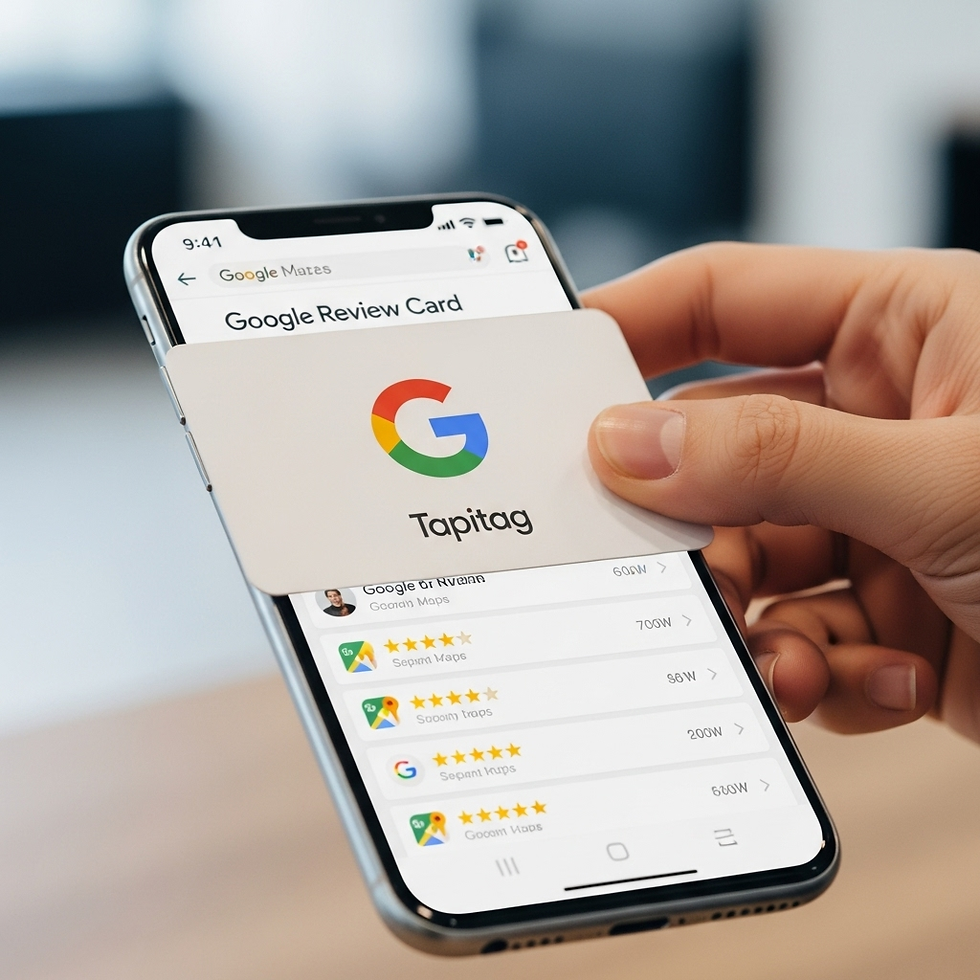
4. Google Reviews and Feedback
Getting customer reviews is hard—but NFC makes it easier.
You can create NFC tags that:
Open your Google review page
Ask for quick feedback
Place them at checkout counters or after service completion.
Result
More reviews, better ratings, and improved credibility.
5. Smart Product Packaging
NFC tags can turn packaging into an interactive experience.
Customers can tap to:
Watch product demos
Access instructions
Verify authenticity
This adds value and builds trust.
6. Event Marketing and Networking
At events, NFC tags can replace traditional networking methods.
Use them to:
Share company profiles
Capture attendee data
Provide event information
This makes networking faster and more efficient.
7. Contactless Payments and Donations
NFC tags can also be linked to payment platforms.
Customers can tap to:
Pay instantly
Donate
Tip services
This is especially useful for small businesses and creators.
8. Website and Landing Page Traffic
Instead of relying only on online ads, you can drive offline traffic using NFC.
Place tags in:
Physical stores
Billboards
Flyers
A simple tap brings users directly to your website or landing page.
Best Practices for Using NFC Tags
To get the best results, follow these tips:
1. Keep It Simple
Don’t overload the user. One clear action works best.
2. Use Clear Call-to-Action
Tell users what to do:
“Tap to connect”
“Tap for menu”
“Tap to review”
3. Test Across Devices
Make sure your tags work on both Android and iPhone.
4. Place Tags Strategically
Put them where users naturally interact:
Counters
Doors
Packaging
5. Track Performance
Use tools that provide analytics to measure results.
Challenges to Consider
While NFC is powerful, there are a few limitations:
Some users may not know how to use NFC
Older phones may not support it
Android behavior can vary
However, these challenges are decreasing as technology adoption increases.
Future of NFC in Marketing
NFC is still growing, but its future is strong.
In the coming years, we can expect:
Deeper integration with mobile apps
Better analytics and tracking
Wider adoption in retail and events
More personalized customer experiences
Businesses that adopt NFC early will have a clear advantage.
Conclusion
NFC tags are transforming the way businesses interact with customers. They make sharing information faster, collecting leads easier, and marketing more effective.
From digital business cards to smart packaging and instant reviews, the possibilities are endless.
If your goal is to create seamless, modern, and data-driven customer experiences, NFC tags are no longer optional—they are essential.
Start small, experiment with different use cases, and gradually integrate NFC into your marketing strategy. The results can be powerful.


Comments